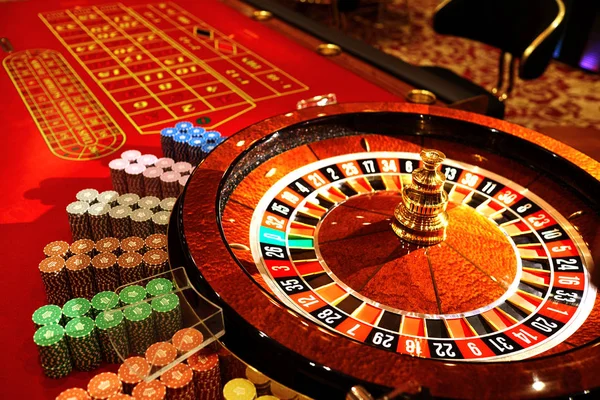
Pourquoi Les Joueurs Recherchent Des Expériences Immersives

Pourquoi Les Joueurs Recherchent Des Expériences Immersives

Nous vivons une époque où les attentes des joueurs de casino ont radicalement changé. Le simple fait de cliquer sur un bouton ne suffit plus. Aujourd’hui, nous recherchons des expériences immersives qui nous transportent dans un univers captivant et authentique. Les expériences immersives ne sont plus un luxe réservé aux casinos physiques, elles sont devenues une nécessité pour les joueurs en ligne. Elles combinent technologie avancée, design sophistiqué et engagement émotionnel pour créer des moments mémorables. Mais pourquoi cette demande a-t-elle explosé ? C’est la question que nous explorons ici.

L’Évolution De La Technologie De Jeu

Nous avons observé une transformation spectaculaire au cours des deux dernières décennies. Les jeux de casino en ligne ont évolué des simples interfaces graphiques des années 2000 vers des environnements 3D sophistiqués que nous voyons aujourd’hui.

La technologie HTML5 a révolutionné notre façon de jouer. Elle nous permet d’accéder à des jeux riches et détaillés directement depuis nos navigateurs, sans téléchargement fastidieux. La résolution graphique s’est améliorée exponentiellement, passant de pixels basiques à des visuels cinématographiques.

Voici les avancées technologiques clés qui ont façonné notre expérience :

  • Graphiques haute définition : nous jouissons maintenant de détails visuels comparables aux jeux vidéo premium
  • Animation fluide : les taux de rafraîchissement élevés éliminent les saccades et créent une fluidité naturelle
  • Son spatial immersif : la technologie audio 3D nous enveloppe dans un environnement sonore réaliste
  • Streaming en direct : les croupiers en chair et os transmis en temps réel renforce l’authenticité
  • Réalité augmentée et virtuelle : certaines plateformes explorent déjà ces frontières pour nous offrir encore plus d’immersion

Ces innovations technologiques ne sont pas simplement des améliorations cosmétiques. Elles transforment fondamentalement la manière dont nous interagissons avec les jeux de casino en ligne.

La Quête D’Authenticité Et De Réalisme

Nous ne voulons plus de simulations évidentes. La quête d’authenticité est devenue centrale dans nos choix de jeux. Nous recherchons des expériences qui captent l’essence véritable d’un casino physique, avec ses ambiances, ses rituels et son atmosphère unique.

Le réalisme va bien au-delà des images. Nous exigeons une cohérence dans chaque détail : des textures des jetons qui reflètent la lumière correctement, aux mouvements naturels des mains des croupiers, en passant par les bruits authentiques des cartes qui se distribuent ou des billes qui roulent.

Quand nous jouons à des jeux comme Chicken Road 2 jeu casino en ligne, nous attendons une immersion qui nous fait oublier que nous sommes assis devant un écran. L’authenticité signifie aussi :

  • Environnements méticuleusement recréés : les studios de streaming ressemblent à de véritables salles de casino
  • Croupiers professionnels : nous apprécions leur expertise, leur présence et leur interaction naturelle
  • Probabilités réelles : nous savons que les résultats sont équitables et générés par des algorithmes certifiés
  • Historique transparent : nous pouvons consulter nos mains précédentes et vérifier les résultats

Cette authenticité crée une connexion émotionnelle plus profonde avec l’expérience.

L’Engagement Émotionnel Et L’Excitation

Parlons franchement : nous jouons aussi pour les émotions. L’adrénaline, l’anticipation, la tension du moment critique, ce sont les sensations qui nous gardent engagés.

Une expérience immersive amplifie ces émotions en créant un environnement où chaque détail participe à notre état psychologique. Quand nous voyons le croupier préparer les cartes, quand nous entendons le murmure des autres joueurs, quand la tension monte avant le tirage du résultat, nous vivons une montée émotionnelle authentique.

Comparez cela avec une interface simple où nous cliquons sur un bouton et attendons un résultat généré instantanément. L’expérience immersive nous offre :

Aspect ÉmotionnelImpactRésultat
Anticipation Augmente avant la révélation Engagement prolongé
Immersion sensorielle Sons et visuels réalistes Oubli du contexte réel
Interaction sociale Communication avec croupiers et joueurs Sentiment de communauté
Narratif et progression Déploiement dramatique du jeu Satisfaction plus profonde

Les jeux immersifs nous permettent de vivre une “vraie” expérience de casino sans quitter notre domicile.

L’Impact Social Et La Communauté

Nous ne jouons jamais vraiment seuls. Même en ligne, nous sommes entourés d’autres joueurs, et cette dynamique sociale est cruciale pour notre engagement.

Les expériences immersives nous permettent d’interagir avec d’autres joueurs et avec les croupiers en temps réel. Nous pouvons discuter de stratégies, célébrer les victoires communes ou simplement partager le plaisir du jeu. Cette dimension sociale transforme une activité solitaire en une expérience communautaire riche.

Les casinos en ligne reconnaissent cette importance. Ils créent des espaces virtuels où nous trouvons :

  • Des salles de chat intégrées pour discuter en direct
  • Des tournois et des événements communautaires
  • Un système de “présence” qui nous montre qui d’autre joue
  • Des statistiques partagées et des classements
  • Une atmosphère de compétition amicale

Cette composante communautaire renforce notre loyauté envers une plateforme spécifique. Nous ne choisissons pas seulement un jeu : nous choisissons une communauté de joueurs qui partagent nos intérêts et nos valeurs.

Les Avantages Du Jeu Immersif

Les expériences immersives nous offrent des avantages concrets qui vont bien au-delà du divertissement pur.

Dans un environnement immersif, nous renforçons notre confiance dans le jeu. Nous voyons réellement comment les résultats sont générés. Avec les croupiers en direct, nous savons que personne ne peut manipuler les résultats, nous assistons à chaque action en temps réel. Cette transparence réduit considérablement notre anxiété concernant l’équité du jeu.

L’immersion nous aide aussi à mieux comprendre les stratégies. En observant les autres joueurs et les croupiers, nous apprenons des techniques et des approches que nous pourrions autrement ignorer. C’est une forme naturelle d’apprentissage par observation.

Accessibilité Et Commodité

Le paradoxe intéressant des expériences immersives ? Elles rendent le jeu de casino plus accessible, pas moins.

Nous n’avons pas besoin de nous préparer, de nous habiller, de voyager jusqu’à un casino physique. Nous pouvons profiter d’une expérience de qualité équivalente depuis notre téléphone, notre tablette ou notre ordinateur. Le jeu immersif fonctionne parfaitement sur appareils mobiles, nous permettant de jouer n’importe où, n’importe quand.

Cette accessibilité s’étend aussi à la diversité des jeux. Un casino physique ne peut offrir qu’un nombre limité de tables. En ligne, nous avons accès à des centaines de variantes différentes, de niveaux de mise différents, et de thèmes variés. Notre pouvoir de choix est sans précédent.

En résumé, les expériences immersives nous donnent le meilleur des deux mondes : l’authenticité et l’atmosphère d’un casino physique avec la commodité et la flexibilité du jeu en ligne.

How Cross-Border Online Gambling Laws Create Complexity for European Users

How Cross-Border Online Gambling Laws Create Complexity for European Users

We live in an era where a Spanish casino player can access online gambling platforms from literally anywhere in the world, yet the legal reality is far murkier than most of us realize. European gambling regulations don’t exist as a unified framework: instead, they’re a patchwork of national rules, international treaties, and conflicting jurisdictions that create genuine complexity for players across the continent. Whether you’re in Spain, Germany, the UK, or anywhere else in Europe, understanding how cross-border gambling laws actually work isn’t just helpful, it’s essential to staying compliant and protecting your interests. This article breaks down exactly why this fragmentation exists, what it means for you as a player, and how to navigate the labyrinth without running into legal trouble.

The Fragmented Regulatory Landscape Across Europe

European gambling regulation is, quite simply, one of the most complicated areas of law on the continent. We don’t have a single European gambling regulator or unified licensing system, instead, each country sets its own rules, and those rules can differ dramatically.

The core problem is that the European Union doesn’t impose uniform gambling legislation. Instead, member states have what’s known as “subsidiarity,” which means gambling policy is largely a national concern. This creates a situation where something perfectly legal in one country might be prohibited in another, sometimes with real financial and legal consequences.

Consider how this plays out in practice. A Spanish player might find an online casino licensed in Malta, which operates under EU regulations. But Spain’s own gambling authority has its own approved licensees and specific rules about what foreign operators can do within Spanish borders. The player finds themselves in a grey area: the casino is legitimate in one jurisdiction, yet Spain’s regulations may technically restrict or regulate it differently.

Legal Status Variations by Country

The variations are stark and worth understanding:

Spain: Online gambling is regulated but accessible. The Spanish gambling regulator (Dirección General de Ordenación del Juego) maintains a whitelist of approved operators. Players can legally use Spanish-licensed sites, but using unlicensed foreign operators exists in a grey zone.

Germany: Previously highly restrictive, Germany now operates under the Interstate Gambling Treaty (Glücksspielstaatsvertrag). Licensed operators can offer services, but the rules are strict and frequently updated.

France: Operates a separate licensing system with ARJEL (now part of ANJ, Autorité Nationale des Jeux). French players are legally permitted to use only French-licensed operators for most games.

Netherlands: Recently liberalized, with the KSA (gambling authority) licensing operators. But, restrictions apply to certain games and betting types.

Poland, Czech Republic, and Eastern Europe: These countries have varying levels of regulation, some fairly open, others highly restricted.

The key insight? What’s legal where you live doesn’t automatically apply when you cross a border, whether physically or digitally.

Licensing and Certification Requirements

We need to address a widespread misconception: not all online casinos are equally legitimate, and a license from one jurisdiction doesn’t guarantee safety or compliance in another.

Here’s how licensing typically works in Europe:

  • Malta Gaming Authority (MGA): Issues licenses recognized across many EU countries. It’s a respected regulator, but its licenses don’t automatically mean a casino is legal in every European jurisdiction.
  • UK Gambling Commission: The UKGC license is considered robust and trustworthy. But, post-Brexit, its jurisdiction is technically limited to the UK (though many European players still use UKGC-licensed sites).
  • Gibraltar: Issues licenses that are generally well-regarded but carry similar jurisdictional limitations.
  • Curaçao: A popular jurisdiction for operators, but less strictly regulated than European authorities and sometimes viewed with skepticism by strict regulators like those in Germany or France.

The issue we face is this: if you’re a Spanish player using a casino licensed in Malta, that license is legitimate, but it doesn’t override Spain’s right to regulate and restrict what operators can do within Spanish territory. Spain can technically block access to unlicensed operators from their perspective, even if those operators are perfectly legitimate in Malta.

Also, licensing authorities focus primarily on operator behavior (anti-fraud, responsible gambling, financial controls) rather than on defining which nationalities can play. This creates a gap where regulatory oversight isn’t perfectly aligned with territorial rules.

Jurisdictional Conflicts and User Rights

Jurisdictional conflicts are where things get genuinely tricky. When a dispute arises, whether it’s about a frozen account, a disputed payout, or a claim that the operator violated rules, which authority has jurisdiction?

Consider this scenario: you’re a Spanish player. You sign up with a casino licensed in Malta and incorporated in Cyprus. You win a significant amount, but the casino disputes your win, claiming your account activity violated their terms. Now you have three potential jurisdictions in play: Spain (your residence), Malta (the regulatory body), and Cyprus (the operator’s incorporation). Which court do you turn to? Which rules apply?

We’ve seen cases where:

Accounts are restricted or closed because the operator determines a player’s country violates their terms, even though both the player and operator are operating within what they believe are legal frameworks.

Payment restrictions occur when banks or payment processors refuse transactions due to conflicting regulatory guidance about which countries are “safe” to serve.

Dispute resolution becomes nearly impossible because players don’t know which authority to appeal to, and authorities don’t always cooperate across borders efficiently.

The practical reality is that most online casinos now include terms stating they can restrict or refuse service to specific nationalities. While controversial, this protects operators from regulatory conflict. But, it leaves players, especially those in countries with murky regulatory status, vulnerable. If a casino can legally restrict Spanish players (or players from any country), that’s a significant limitation on user rights that many players don’t fully appreciate when they sign up.

Tax Implications and Payment Restrictions

We often overlook the financial side of cross-border gambling regulation, but it’s crucial.

Taxation varies wildly across Europe:

CountryTax Rate (Operator)Player TaxNotes
Spain 10-25% (licensed) Included in odds Losses may be deductible
Germany 5.3% on GGR Not directly taxed Complex rules for licensing
France 33% on sports betting Variable Strict regulatory fees
Netherlands 29% excise tax Not directly taxed Recently liberalized
UK 15% on GGR Not directly taxed HMRC may assess large wins

When you play with a foreign operator, tax responsibilities become murky. If you’re a Spanish resident playing on a Malta-licensed casino, who pays tax? Typically, the operator is supposed to remit taxes in their licensed jurisdiction. But Spain might argue that winnings earned by a Spanish resident should be taxed in Spain.

Payment restrictions compound the issue. Banks and payment processors apply their own rules based on regulatory risk assessment. A payment method accepted in Germany might be blocked in France. Cryptocurrency and e-wallets face different treatment in different countries. Some operators refuse to accept players from certain countries entirely to avoid payment processor complications.

For us as players, this means:

  • Withdrawal delays or refusals, sometimes without clear explanation
  • Difficulty funding accounts through certain methods
  • Unexpected tax liabilities discovered months or years after winning
  • The practical impossibility of moving winnings across certain jurisdictional lines

Navigating Compliance as a European Player

So how do we actually navigate this mess? Here’s practical guidance:

Know your home country’s rules. This is non-negotiable. If you’re a Spanish player, understand what Spain’s gambling authority (Dirección General de Ordenación del Juego) says about your rights and obligations. Germany has the Interstate Gambling Treaty: France has stricter rules through ANJ. Know your baseline.

Understand that “regulated” doesn’t mean “universally legal.” A Malta-licensed casino is legitimate, but being licensed in Malta doesn’t automatically make it legal for you to use from your country. These are two separate questions.

Prefer operators licensed in your home country or EU authorities. If you’re in Spain, using Spanish-licensed operators removes much of the regulatory uncertainty. They’re explicitly approved by your authority and subject to oversight you can potentially access.

Be cautious with restrictive jurisdictions. Countries like Germany, France, and Poland have more tightly controlled markets. Using foreign operators in these countries carries higher legal risk, even if operators claim they’re legitimate.

Understand payment processor limitations. If an operator can’t easily accept your payment method, that’s sometimes a red flag, either they’re operating illegally in your jurisdiction, or they’re avoiding your country due to regulatory concerns.

Document everything. Keep records of deposits, withdrawals, bets, and wins. If a dispute arises or if you face tax inquiries, documentation is your primary defense.

Consider alternative options. For Spanish players specifically, several legitimate options exist beyond major operators. Non GamStop casino sites UK sometimes operate in European jurisdictions under different regulatory frameworks, research what’s available and legitimate in your specific country.

When in doubt, consult. If you’re considering a larger bet or believe you might trigger tax implications, consulting with a tax advisor or gambling law specialist in your country is worthwhile, not paranoia, but due diligence.

The Benefits of Choosing Payment Methods With Strong Buyer Protection

The Benefits of Choosing Payment Methods With Strong Buyer Protection

When you’re playing at online casinos, your payment security isn’t just a nice-to-have, it’s essential. We understand that Spanish casino players face unique challenges when selecting where to deposit funds, especially with so many platforms operating across borders. The right payment method with robust buyer protection can be the difference between a smooth gaming experience and a financial headache. This isn’t about being paranoid: it’s about making informed decisions that safeguard your money while you enjoy your favourite games.

Why Buyer Protection Matters in Online Transactions

Let’s be direct: not all online transactions are created equal, and casino payments carry particular risks. When you deposit money at an online casino, you’re essentially trusting that platform with your funds, and we know that sometimes disputes happen. Maybe a payment goes through twice. Perhaps a withdrawal gets stuck. Or worse, you discover fraudulent activity on your account.

Buyer protection exists precisely to handle these scenarios. It creates a safety net between you and potential financial losses. Without it, you’re left arguing directly with a casino operator or, in extreme cases, losing money entirely. With proper protection in place, you have recourse. You can dispute transactions, request chargebacks, and recover funds if something goes wrong.

For Spanish casino players specifically, this matters even more. If you’re playing on an international platform, different regulations apply depending on whether you choose regulated sites or, conversely, non GamStop casino sites. Either way, having buyer protection built into your payment method gives you leverage and peace of mind that goes beyond any single casino’s customer support team.

Key Features of Strong Buyer Protection Systems

When evaluating a payment method, we always look for specific protections. Here’s what matters most:

Transaction monitoring and alerts – You get notified immediately about every transaction, which helps you spot fraudulent activity fast.

Encryption and data security – Your financial information stays encrypted, making it nearly impossible for hackers to intercept.

Seller accountability – The payment processor holds the merchant (in this case, the casino) accountable for honouring agreements.

These features work together. You can’t just rely on one. A truly strong system combines multiple layers of protection.

Fraud Prevention and Dispute Resolution

Fraud prevention is your first line of defence. Advanced payment methods use machine learning and pattern recognition to identify suspicious activity before it becomes a problem. If something looks odd, like a deposit from an unusual location or amount, the system flags it automatically.

When something does go wrong, dispute resolution processes kick in. We can open disputes directly through the payment processor rather than waiting for a casino to respond to support tickets. The payment company investigates independently, reviews evidence from both sides, and makes a decision. This impartial third-party involvement is crucial.

Chargeback Rights and Refund Guarantees

Chargebacks are your nuclear option, and they’re there for a reason. If a casino takes your money and doesn’t deliver services, or if fraudulent charges appear on your account, you can request your bank or payment provider reverse the transaction. Many modern payment systems automatically guarantee certain refunds for disputed transactions.

Some payment methods offer explicit guarantees:

  • Automatic refunds for unauthorised transactions within 30-60 days
  • Seller protection balances that cover disputed amounts
  • Money-back guarantees on specific transaction types

The strength of these guarantees varies significantly, which is why choosing the right payment method matters tremendously.

Payment Methods Offering Superior Buyer Protection

Not all payment methods are equal when it comes to buyer protection. We’ve seen this play out across thousands of casino transactions. Let’s break down what actually works.

Credit Cards and Digital Wallets

Credit cards remain among the strongest options for buyer protection. Here’s why:

FeatureCredit CardsDebit CardsDigital Wallets
Chargeback Rights Full Limited Method-dependent
Fraud Liability 0% (UK) 0% (authorised) Strong
Dispute Resolution 120 days 30 days Variable
Refund Speed 5-10 days 3-7 days 1-5 days

Digital wallets like PayPal add an extra protection layer. They sit between you and the casino, meaning your casino account doesn’t have direct access to your bank details. If a problem occurs, you’re working with PayPal’s dispute team, not negotiating directly with the casino.

For Spanish players, using a credit card or established digital wallet is almost always preferable to wire transfers or cryptocurrency for this reason. You get institutional protection.

Payment Service Providers and Secure Gateways

Many reputable casinos use third-party payment processors like Stripe, Skrill, or Neteller. These companies specialise in payment security and buyer protection. They’ve invested heavily in fraud prevention and dispute resolution because it’s their core business.

When you see a casino using a dedicated payment gateway, that’s a positive sign. Here’s what you get:

  • Multi-factor authentication options
  • Real-time fraud detection
  • Built-in dispute handling
  • Clear refund policies with specific timelines
  • PCI-DSS compliance (industry-standard security certification)

The best payment service providers maintain strict merchant standards. If a casino on their platform engages in dodgy practices, they’ll shut them down. That incentive alignment protects you directly.

How to Identify Trustworthy Payment Options

We recommend following this simple checklist before using any payment method at an online casino:

Check the protection details – Before you deposit, scroll to the payment section and look for specific protections listed. Does it mention dispute resolution? Chargeback rights? If the information isn’t there, that’s already a warning sign.

Verify regulatory compliance – Look for mentions of PCI-DSS certification, ISO standards, or relevant financial licences. These certifications mean someone official has audited the security.

Test with small amounts first – Make a small deposit and test the withdrawal process. This gives you confidence before committing larger sums. Pay attention to how long withdrawals take and whether the process feels transparent.

Read recent reviews specifically about payments – Generic “great casino” reviews don’t help. You want information about deposit processing times, withdrawal success rates, and whether players have experienced payment issues.

Compare multiple casinos – Don’t assume all casinos use the same payment infrastructure. Two platforms might both accept credit cards but use completely different processors with different protection levels.

For Spanish players using non-regulated platforms or exploring alternative options, this verification step becomes even more critical. You’re taking on more risk, so you need to compensate by choosing the safest possible payment methods available through that platform.

The Benefits of Choosing Payment Methods With Strong Buyer Protection

The Benefits of Choosing Payment Methods With Strong Buyer Protection

When you’re playing at online casinos, your payment security isn’t just a nice-to-have, it’s essential. We understand that Spanish casino players face unique challenges when selecting where to deposit funds, especially with so many platforms operating across borders. The right payment method with robust buyer protection can be the difference between a smooth gaming experience and a financial headache. This isn’t about being paranoid: it’s about making informed decisions that safeguard your money while you enjoy your favourite games.

Why Buyer Protection Matters in Online Transactions

Let’s be direct: not all online transactions are created equal, and casino payments carry particular risks. When you deposit money at an online casino, you’re essentially trusting that platform with your funds, and we know that sometimes disputes happen. Maybe a payment goes through twice. Perhaps a withdrawal gets stuck. Or worse, you discover fraudulent activity on your account.

Buyer protection exists precisely to handle these scenarios. It creates a safety net between you and potential financial losses. Without it, you’re left arguing directly with a casino operator or, in extreme cases, losing money entirely. With proper protection in place, you have recourse. You can dispute transactions, request chargebacks, and recover funds if something goes wrong.

For Spanish casino players specifically, this matters even more. If you’re playing on an international platform, different regulations apply depending on whether you choose regulated sites or, conversely, non GamStop casino sites. Either way, having buyer protection built into your payment method gives you leverage and peace of mind that goes beyond any single casino’s customer support team.

Key Features of Strong Buyer Protection Systems

When evaluating a payment method, we always look for specific protections. Here’s what matters most:

Transaction monitoring and alerts – You get notified immediately about every transaction, which helps you spot fraudulent activity fast.

Encryption and data security – Your financial information stays encrypted, making it nearly impossible for hackers to intercept.

Seller accountability – The payment processor holds the merchant (in this case, the casino) accountable for honouring agreements.

These features work together. You can’t just rely on one. A truly strong system combines multiple layers of protection.

Fraud Prevention and Dispute Resolution

Fraud prevention is your first line of defence. Advanced payment methods use machine learning and pattern recognition to identify suspicious activity before it becomes a problem. If something looks odd, like a deposit from an unusual location or amount, the system flags it automatically.

When something does go wrong, dispute resolution processes kick in. We can open disputes directly through the payment processor rather than waiting for a casino to respond to support tickets. The payment company investigates independently, reviews evidence from both sides, and makes a decision. This impartial third-party involvement is crucial.

Chargeback Rights and Refund Guarantees

Chargebacks are your nuclear option, and they’re there for a reason. If a casino takes your money and doesn’t deliver services, or if fraudulent charges appear on your account, you can request your bank or payment provider reverse the transaction. Many modern payment systems automatically guarantee certain refunds for disputed transactions.

Some payment methods offer explicit guarantees:

  • Automatic refunds for unauthorised transactions within 30-60 days
  • Seller protection balances that cover disputed amounts
  • Money-back guarantees on specific transaction types

The strength of these guarantees varies significantly, which is why choosing the right payment method matters tremendously.

Payment Methods Offering Superior Buyer Protection

Not all payment methods are equal when it comes to buyer protection. We’ve seen this play out across thousands of casino transactions. Let’s break down what actually works.

Credit Cards and Digital Wallets

Credit cards remain among the strongest options for buyer protection. Here’s why:

FeatureCredit CardsDebit CardsDigital Wallets
Chargeback Rights Full Limited Method-dependent
Fraud Liability 0% (UK) 0% (authorised) Strong
Dispute Resolution 120 days 30 days Variable
Refund Speed 5-10 days 3-7 days 1-5 days

Digital wallets like PayPal add an extra protection layer. They sit between you and the casino, meaning your casino account doesn’t have direct access to your bank details. If a problem occurs, you’re working with PayPal’s dispute team, not negotiating directly with the casino.

For Spanish players, using a credit card or established digital wallet is almost always preferable to wire transfers or cryptocurrency for this reason. You get institutional protection.

Payment Service Providers and Secure Gateways

Many reputable casinos use third-party payment processors like Stripe, Skrill, or Neteller. These companies specialise in payment security and buyer protection. They’ve invested heavily in fraud prevention and dispute resolution because it’s their core business.

When you see a casino using a dedicated payment gateway, that’s a positive sign. Here’s what you get:

  • Multi-factor authentication options
  • Real-time fraud detection
  • Built-in dispute handling
  • Clear refund policies with specific timelines
  • PCI-DSS compliance (industry-standard security certification)

The best payment service providers maintain strict merchant standards. If a casino on their platform engages in dodgy practices, they’ll shut them down. That incentive alignment protects you directly.

How to Identify Trustworthy Payment Options

We recommend following this simple checklist before using any payment method at an online casino:

Check the protection details – Before you deposit, scroll to the payment section and look for specific protections listed. Does it mention dispute resolution? Chargeback rights? If the information isn’t there, that’s already a warning sign.

Verify regulatory compliance – Look for mentions of PCI-DSS certification, ISO standards, or relevant financial licences. These certifications mean someone official has audited the security.

Test with small amounts first – Make a small deposit and test the withdrawal process. This gives you confidence before committing larger sums. Pay attention to how long withdrawals take and whether the process feels transparent.

Read recent reviews specifically about payments – Generic “great casino” reviews don’t help. You want information about deposit processing times, withdrawal success rates, and whether players have experienced payment issues.

Compare multiple casinos – Don’t assume all casinos use the same payment infrastructure. Two platforms might both accept credit cards but use completely different processors with different protection levels.

For Spanish players using non-regulated platforms or exploring alternative options, this verification step becomes even more critical. You’re taking on more risk, so you need to compensate by choosing the safest possible payment methods available through that platform.

Why Automated Spending Controls Help Prevent Impulsive Gaming Decisions

Why Automated Spending Controls Help Prevent Impulsive Gaming Decisions

We’ve all been there, sitting at the table or screen, telling ourselves “just one more hand,” only to lose track of time and money. Impulsive gaming is one of the biggest threats to responsible play, and it doesn’t discriminate. Spanish casino players, international gamblers, professionals, beginners, the pull of in-the-moment decisions affects us all equally. The good news? Automated spending controls are game-changers. They don’t rely on willpower or last-minute restraint: they work silently in the background, creating friction between impulse and action. In this text, we’ll explore how these tools help us break the cycle of impulsive gaming, why they’re so effective, and how to set them up properly.

Understanding Impulsive Gaming Behaviour

Impulsive gaming behaviour differs from regular play in one crucial way: it’s reactive, not deliberate. When we’re in the heat of the moment, our brain’s reward centres light up. A near-miss triggers hope. A small win triggers confidence. Before we know it, we’ve spent far more than we planned.

This isn’t a character flaw, it’s neuroscience. The amygdala (our emotional brain) hijacks our prefrontal cortex (our rational decision-maker). Under these conditions, our resolve weakens, our judgment clouds, and we make choices we’d never make with a clear head.

Several factors fuel impulsive gaming:

  • Environmental cues: Flashing lights, sounds, and visual effects are designed to amplify excitement and encourage continued play
  • Loss chasing: The drive to recover losses quickly overrides logical thinking
  • Time distortion: Hours feel like minutes when we’re absorbed: we lose track completely
  • Ego involvement: A string of losses feels personal: we want to “prove ourselves” right
  • Fatigue and intoxication: Tired or impaired judgment makes us more susceptible to impulses

The problem with relying purely on self-discipline is that it’s depleted throughout the day. By evening, after work stress and decision-making, our willpower is already running on empty. That’s when impulsive gaming is most likely to strike.

The Role Of Automated Spending Controls

Automated spending controls remove the burden from willpower and place it on systems. We don’t have to remember to stop: the system stops us. This is the fundamental shift that makes them so powerful.

How Controls Create Psychological Barriers

When we set a spending limit, say, €50 per session, our brain processes this as a rule, not a suggestion. The limit becomes external and binding. If we try to exceed it, we hit a technical barrier. No hidden €20 deposit buried in our account. No “just this once” exception. The decision to stop has already been made on a day when our judgment was clear.

Psychologists call this “commitment devices.” We’re essentially pre-committing to our saner selves. The beauty is that this removes the need for willpower at the critical moment. We can’t even be tempted to break the rule: it’s technically impossible.

Different control types serve different purposes:

Control TypeFunctionBest For
Deposit limits Caps total money added per week/month Controlling overall exposure
Session limits Stops play after set duration Breaking extended play patterns
Loss limits Halts play when losses reach a threshold Protecting against chasing
Stake limits Restricts bet size per hand/spin Reducing damage from impulsive bets
Reality checks Reminders of time/money spent Building awareness mid-session

Real-Time Feedback And Awareness

Many platforms send notifications: “You’ve spent €35 of your €50 limit.” This simple feedback loop is more valuable than people realise. It interrupts autopilot. It brings awareness back to reality. Without these reminders, our brain compartmentalises spending, we forget the £20 we lost two hands ago, the €15 before that.

Real-time feedback prevents what researchers call “the illusion of control.” We often feel we’re “about to win big” and that stopping now would be a mistake. A notification saying “You’ve lost €100 this session” snaps us back to reality. Suddenly, the “about to win” narrative loses power.

Key Benefits For Responsible Gaming

We see several concrete benefits when we carry out automated controls:

Financial Protection: The most obvious benefit. A €100 monthly limit means we can’t lose more than €100, no matter how impulsive we become. This is mathematical certainty, not hope.

Reduced Stress and Regret: Nothing damages mental health quite like the post-session guilt of overspending. With controls in place, we can enjoy gaming without the anxiety of tomorrow’s regret.

Breaks Chasing Cycles: Loss chasing is the fastest path to serious problems. When a loss limit kicks in, we can’t chase. This single feature has prevented countless episodes of escalating losses.

Improved Sleep and Relationships: When we’re not losing sleep over gambling debt or hiding spending from partners, relationships improve. We’re happier, calmer, more present.

Maintained Interest in Gaming: Counterintuitively, limits make gaming more enjoyable. Without the fear of impulsive loss, we can actually relax and enjoy the experience. We show up to play, not to escape or self-destruct.

Compliance with Regulations: Many jurisdictions now require casinos to offer these tools. Using them isn’t just smart, it’s increasingly mandatory for responsible operators. When we play at regulated sites, these controls are standard. For those exploring non GamStop casino sites, ensure they still offer robust spending controls, as not all unregulated operators prioritise player protection.

Implementing Spending Controls Effectively

Setting controls requires honesty and planning. Here’s how we do it right:

Step 1: Assess Your Finances

How much can we genuinely afford to lose without impacting bills, savings, or family? Be conservative. If you’re earning €2,500 monthly after expenses, €50 per month is reasonable. €500 is reckless. Most problem gamblers underestimate what they can afford, so halve your initial estimate.

Step 2: Set Multiple Layers

Don’t rely on a single control. Use deposit limits, session limits, and loss limits together. Think of them as nested safety nets. If one fails to stop us, another catches us.

Step 3: Use Time-Based Limits Too

A 60-minute session limit forces breaks. During these breaks, reality reasserts itself. We check our phone, remember we have work tomorrow, and often decide we’re done. Without the break, we drift into hours.

Step 4: Request Verification

Some platforms offer pause options, a waiting period before we can increase our limits. If your casino offers this, use it. It prevents impulsive limit-raising when we’re chasing losses.

Step 5: Review Monthly

Don’t set limits and forget them. Once monthly, review your actual spending against your limits. Are you consistently hitting your loss limit? That’s a warning sign that you need to lower it. This active monitoring keeps us engaged with our own commitment.

Step 6: Communicate

Tell someone you trust. A partner, friend, or family member who knows your limits becomes an accountability partner. They can gently ask, “Didn’t you say you were taking a break from gaming?” This external reminder reinforces the internal commitment.

Why Automated Spending Controls Help Prevent Impulsive Gaming Decisions

Why Automated Spending Controls Help Prevent Impulsive Gaming Decisions

We’ve all been there, sitting at the table or screen, telling ourselves “just one more hand,” only to lose track of time and money. Impulsive gaming is one of the biggest threats to responsible play, and it doesn’t discriminate. Spanish casino players, international gamblers, professionals, beginners, the pull of in-the-moment decisions affects us all equally. The good news? Automated spending controls are game-changers. They don’t rely on willpower or last-minute restraint: they work silently in the background, creating friction between impulse and action. In this text, we’ll explore how these tools help us break the cycle of impulsive gaming, why they’re so effective, and how to set them up properly.

Understanding Impulsive Gaming Behaviour

Impulsive gaming behaviour differs from regular play in one crucial way: it’s reactive, not deliberate. When we’re in the heat of the moment, our brain’s reward centres light up. A near-miss triggers hope. A small win triggers confidence. Before we know it, we’ve spent far more than we planned.

This isn’t a character flaw, it’s neuroscience. The amygdala (our emotional brain) hijacks our prefrontal cortex (our rational decision-maker). Under these conditions, our resolve weakens, our judgment clouds, and we make choices we’d never make with a clear head.

Several factors fuel impulsive gaming:

  • Environmental cues: Flashing lights, sounds, and visual effects are designed to amplify excitement and encourage continued play
  • Loss chasing: The drive to recover losses quickly overrides logical thinking
  • Time distortion: Hours feel like minutes when we’re absorbed: we lose track completely
  • Ego involvement: A string of losses feels personal: we want to “prove ourselves” right
  • Fatigue and intoxication: Tired or impaired judgment makes us more susceptible to impulses

The problem with relying purely on self-discipline is that it’s depleted throughout the day. By evening, after work stress and decision-making, our willpower is already running on empty. That’s when impulsive gaming is most likely to strike.

The Role Of Automated Spending Controls

Automated spending controls remove the burden from willpower and place it on systems. We don’t have to remember to stop: the system stops us. This is the fundamental shift that makes them so powerful.

How Controls Create Psychological Barriers

When we set a spending limit, say, €50 per session, our brain processes this as a rule, not a suggestion. The limit becomes external and binding. If we try to exceed it, we hit a technical barrier. No hidden €20 deposit buried in our account. No “just this once” exception. The decision to stop has already been made on a day when our judgment was clear.

Psychologists call this “commitment devices.” We’re essentially pre-committing to our saner selves. The beauty is that this removes the need for willpower at the critical moment. We can’t even be tempted to break the rule: it’s technically impossible.

Different control types serve different purposes:

Control TypeFunctionBest For
Deposit limits Caps total money added per week/month Controlling overall exposure
Session limits Stops play after set duration Breaking extended play patterns
Loss limits Halts play when losses reach a threshold Protecting against chasing
Stake limits Restricts bet size per hand/spin Reducing damage from impulsive bets
Reality checks Reminders of time/money spent Building awareness mid-session

Real-Time Feedback And Awareness

Many platforms send notifications: “You’ve spent €35 of your €50 limit.” This simple feedback loop is more valuable than people realise. It interrupts autopilot. It brings awareness back to reality. Without these reminders, our brain compartmentalises spending, we forget the £20 we lost two hands ago, the €15 before that.

Real-time feedback prevents what researchers call “the illusion of control.” We often feel we’re “about to win big” and that stopping now would be a mistake. A notification saying “You’ve lost €100 this session” snaps us back to reality. Suddenly, the “about to win” narrative loses power.

Key Benefits For Responsible Gaming

We see several concrete benefits when we carry out automated controls:

Financial Protection: The most obvious benefit. A €100 monthly limit means we can’t lose more than €100, no matter how impulsive we become. This is mathematical certainty, not hope.

Reduced Stress and Regret: Nothing damages mental health quite like the post-session guilt of overspending. With controls in place, we can enjoy gaming without the anxiety of tomorrow’s regret.

Breaks Chasing Cycles: Loss chasing is the fastest path to serious problems. When a loss limit kicks in, we can’t chase. This single feature has prevented countless episodes of escalating losses.

Improved Sleep and Relationships: When we’re not losing sleep over gambling debt or hiding spending from partners, relationships improve. We’re happier, calmer, more present.

Maintained Interest in Gaming: Counterintuitively, limits make gaming more enjoyable. Without the fear of impulsive loss, we can actually relax and enjoy the experience. We show up to play, not to escape or self-destruct.

Compliance with Regulations: Many jurisdictions now require casinos to offer these tools. Using them isn’t just smart, it’s increasingly mandatory for responsible operators. When we play at regulated sites, these controls are standard. For those exploring non GamStop casino sites, ensure they still offer robust spending controls, as not all unregulated operators prioritise player protection.

Implementing Spending Controls Effectively

Setting controls requires honesty and planning. Here’s how we do it right:

Step 1: Assess Your Finances

How much can we genuinely afford to lose without impacting bills, savings, or family? Be conservative. If you’re earning €2,500 monthly after expenses, €50 per month is reasonable. €500 is reckless. Most problem gamblers underestimate what they can afford, so halve your initial estimate.

Step 2: Set Multiple Layers

Don’t rely on a single control. Use deposit limits, session limits, and loss limits together. Think of them as nested safety nets. If one fails to stop us, another catches us.

Step 3: Use Time-Based Limits Too

A 60-minute session limit forces breaks. During these breaks, reality reasserts itself. We check our phone, remember we have work tomorrow, and often decide we’re done. Without the break, we drift into hours.

Step 4: Request Verification

Some platforms offer pause options, a waiting period before we can increase our limits. If your casino offers this, use it. It prevents impulsive limit-raising when we’re chasing losses.

Step 5: Review Monthly

Don’t set limits and forget them. Once monthly, review your actual spending against your limits. Are you consistently hitting your loss limit? That’s a warning sign that you need to lower it. This active monitoring keeps us engaged with our own commitment.

Step 6: Communicate

Tell someone you trust. A partner, friend, or family member who knows your limits becomes an accountability partner. They can gently ask, “Didn’t you say you were taking a break from gaming?” This external reminder reinforces the internal commitment.

Why Automated Spending Controls Help Prevent Impulsive Gaming Decisions

Why Automated Spending Controls Help Prevent Impulsive Gaming Decisions

We’ve all been there, sitting at the table or screen, telling ourselves “just one more hand,” only to lose track of time and money. Impulsive gaming is one of the biggest threats to responsible play, and it doesn’t discriminate. Spanish casino players, international gamblers, professionals, beginners, the pull of in-the-moment decisions affects us all equally. The good news? Automated spending controls are game-changers. They don’t rely on willpower or last-minute restraint: they work silently in the background, creating friction between impulse and action. In this text, we’ll explore how these tools help us break the cycle of impulsive gaming, why they’re so effective, and how to set them up properly.

Understanding Impulsive Gaming Behaviour

Impulsive gaming behaviour differs from regular play in one crucial way: it’s reactive, not deliberate. When we’re in the heat of the moment, our brain’s reward centres light up. A near-miss triggers hope. A small win triggers confidence. Before we know it, we’ve spent far more than we planned.

This isn’t a character flaw, it’s neuroscience. The amygdala (our emotional brain) hijacks our prefrontal cortex (our rational decision-maker). Under these conditions, our resolve weakens, our judgment clouds, and we make choices we’d never make with a clear head.

Several factors fuel impulsive gaming:

  • Environmental cues: Flashing lights, sounds, and visual effects are designed to amplify excitement and encourage continued play
  • Loss chasing: The drive to recover losses quickly overrides logical thinking
  • Time distortion: Hours feel like minutes when we’re absorbed: we lose track completely
  • Ego involvement: A string of losses feels personal: we want to “prove ourselves” right
  • Fatigue and intoxication: Tired or impaired judgment makes us more susceptible to impulses

The problem with relying purely on self-discipline is that it’s depleted throughout the day. By evening, after work stress and decision-making, our willpower is already running on empty. That’s when impulsive gaming is most likely to strike.

The Role Of Automated Spending Controls

Automated spending controls remove the burden from willpower and place it on systems. We don’t have to remember to stop: the system stops us. This is the fundamental shift that makes them so powerful.

How Controls Create Psychological Barriers

When we set a spending limit, say, €50 per session, our brain processes this as a rule, not a suggestion. The limit becomes external and binding. If we try to exceed it, we hit a technical barrier. No hidden €20 deposit buried in our account. No “just this once” exception. The decision to stop has already been made on a day when our judgment was clear.

Psychologists call this “commitment devices.” We’re essentially pre-committing to our saner selves. The beauty is that this removes the need for willpower at the critical moment. We can’t even be tempted to break the rule: it’s technically impossible.

Different control types serve different purposes:

Control TypeFunctionBest For
Deposit limits Caps total money added per week/month Controlling overall exposure
Session limits Stops play after set duration Breaking extended play patterns
Loss limits Halts play when losses reach a threshold Protecting against chasing
Stake limits Restricts bet size per hand/spin Reducing damage from impulsive bets
Reality checks Reminders of time/money spent Building awareness mid-session

Real-Time Feedback And Awareness

Many platforms send notifications: “You’ve spent €35 of your €50 limit.” This simple feedback loop is more valuable than people realise. It interrupts autopilot. It brings awareness back to reality. Without these reminders, our brain compartmentalises spending, we forget the £20 we lost two hands ago, the €15 before that.

Real-time feedback prevents what researchers call “the illusion of control.” We often feel we’re “about to win big” and that stopping now would be a mistake. A notification saying “You’ve lost €100 this session” snaps us back to reality. Suddenly, the “about to win” narrative loses power.

Key Benefits For Responsible Gaming

We see several concrete benefits when we carry out automated controls:

Financial Protection: The most obvious benefit. A €100 monthly limit means we can’t lose more than €100, no matter how impulsive we become. This is mathematical certainty, not hope.

Reduced Stress and Regret: Nothing damages mental health quite like the post-session guilt of overspending. With controls in place, we can enjoy gaming without the anxiety of tomorrow’s regret.

Breaks Chasing Cycles: Loss chasing is the fastest path to serious problems. When a loss limit kicks in, we can’t chase. This single feature has prevented countless episodes of escalating losses.

Improved Sleep and Relationships: When we’re not losing sleep over gambling debt or hiding spending from partners, relationships improve. We’re happier, calmer, more present.

Maintained Interest in Gaming: Counterintuitively, limits make gaming more enjoyable. Without the fear of impulsive loss, we can actually relax and enjoy the experience. We show up to play, not to escape or self-destruct.

Compliance with Regulations: Many jurisdictions now require casinos to offer these tools. Using them isn’t just smart, it’s increasingly mandatory for responsible operators. When we play at regulated sites, these controls are standard. For those exploring non GamStop casino sites, ensure they still offer robust spending controls, as not all unregulated operators prioritise player protection.

Implementing Spending Controls Effectively

Setting controls requires honesty and planning. Here’s how we do it right:

Step 1: Assess Your Finances

How much can we genuinely afford to lose without impacting bills, savings, or family? Be conservative. If you’re earning €2,500 monthly after expenses, €50 per month is reasonable. €500 is reckless. Most problem gamblers underestimate what they can afford, so halve your initial estimate.

Step 2: Set Multiple Layers

Don’t rely on a single control. Use deposit limits, session limits, and loss limits together. Think of them as nested safety nets. If one fails to stop us, another catches us.

Step 3: Use Time-Based Limits Too

A 60-minute session limit forces breaks. During these breaks, reality reasserts itself. We check our phone, remember we have work tomorrow, and often decide we’re done. Without the break, we drift into hours.

Step 4: Request Verification

Some platforms offer pause options, a waiting period before we can increase our limits. If your casino offers this, use it. It prevents impulsive limit-raising when we’re chasing losses.

Step 5: Review Monthly

Don’t set limits and forget them. Once monthly, review your actual spending against your limits. Are you consistently hitting your loss limit? That’s a warning sign that you need to lower it. This active monitoring keeps us engaged with our own commitment.

Step 6: Communicate

Tell someone you trust. A partner, friend, or family member who knows your limits becomes an accountability partner. They can gently ask, “Didn’t you say you were taking a break from gaming?” This external reminder reinforces the internal commitment.

The Benefits of Choosing Payment Methods With Strong Buyer Protection

The Benefits of Choosing Payment Methods With Strong Buyer Protection

When you’re playing at online casinos, your payment security isn’t just a nice-to-have, it’s essential. We understand that Spanish casino players face unique challenges when selecting where to deposit funds, especially with so many platforms operating across borders. The right payment method with robust buyer protection can be the difference between a smooth gaming experience and a financial headache. This isn’t about being paranoid: it’s about making informed decisions that safeguard your money while you enjoy your favourite games.

Why Buyer Protection Matters in Online Transactions

Let’s be direct: not all online transactions are created equal, and casino payments carry particular risks. When you deposit money at an online casino, you’re essentially trusting that platform with your funds, and we know that sometimes disputes happen. Maybe a payment goes through twice. Perhaps a withdrawal gets stuck. Or worse, you discover fraudulent activity on your account.

Buyer protection exists precisely to handle these scenarios. It creates a safety net between you and potential financial losses. Without it, you’re left arguing directly with a casino operator or, in extreme cases, losing money entirely. With proper protection in place, you have recourse. You can dispute transactions, request chargebacks, and recover funds if something goes wrong.

For Spanish casino players specifically, this matters even more. If you’re playing on an international platform, different regulations apply depending on whether you choose regulated sites or, conversely, non GamStop casino sites. Either way, having buyer protection built into your payment method gives you leverage and peace of mind that goes beyond any single casino’s customer support team.

Key Features of Strong Buyer Protection Systems

When evaluating a payment method, we always look for specific protections. Here’s what matters most:

Transaction monitoring and alerts – You get notified immediately about every transaction, which helps you spot fraudulent activity fast.

Encryption and data security – Your financial information stays encrypted, making it nearly impossible for hackers to intercept.

Seller accountability – The payment processor holds the merchant (in this case, the casino) accountable for honouring agreements.

These features work together. You can’t just rely on one. A truly strong system combines multiple layers of protection.

Fraud Prevention and Dispute Resolution

Fraud prevention is your first line of defence. Advanced payment methods use machine learning and pattern recognition to identify suspicious activity before it becomes a problem. If something looks odd, like a deposit from an unusual location or amount, the system flags it automatically.

When something does go wrong, dispute resolution processes kick in. We can open disputes directly through the payment processor rather than waiting for a casino to respond to support tickets. The payment company investigates independently, reviews evidence from both sides, and makes a decision. This impartial third-party involvement is crucial.

Chargeback Rights and Refund Guarantees

Chargebacks are your nuclear option, and they’re there for a reason. If a casino takes your money and doesn’t deliver services, or if fraudulent charges appear on your account, you can request your bank or payment provider reverse the transaction. Many modern payment systems automatically guarantee certain refunds for disputed transactions.

Some payment methods offer explicit guarantees:

  • Automatic refunds for unauthorised transactions within 30-60 days
  • Seller protection balances that cover disputed amounts
  • Money-back guarantees on specific transaction types

The strength of these guarantees varies significantly, which is why choosing the right payment method matters tremendously.

Payment Methods Offering Superior Buyer Protection

Not all payment methods are equal when it comes to buyer protection. We’ve seen this play out across thousands of casino transactions. Let’s break down what actually works.

Credit Cards and Digital Wallets

Credit cards remain among the strongest options for buyer protection. Here’s why:

FeatureCredit CardsDebit CardsDigital Wallets
Chargeback Rights Full Limited Method-dependent
Fraud Liability 0% (UK) 0% (authorised) Strong
Dispute Resolution 120 days 30 days Variable
Refund Speed 5-10 days 3-7 days 1-5 days

Digital wallets like PayPal add an extra protection layer. They sit between you and the casino, meaning your casino account doesn’t have direct access to your bank details. If a problem occurs, you’re working with PayPal’s dispute team, not negotiating directly with the casino.

For Spanish players, using a credit card or established digital wallet is almost always preferable to wire transfers or cryptocurrency for this reason. You get institutional protection.

Payment Service Providers and Secure Gateways

Many reputable casinos use third-party payment processors like Stripe, Skrill, or Neteller. These companies specialise in payment security and buyer protection. They’ve invested heavily in fraud prevention and dispute resolution because it’s their core business.

When you see a casino using a dedicated payment gateway, that’s a positive sign. Here’s what you get:

  • Multi-factor authentication options
  • Real-time fraud detection
  • Built-in dispute handling
  • Clear refund policies with specific timelines
  • PCI-DSS compliance (industry-standard security certification)

The best payment service providers maintain strict merchant standards. If a casino on their platform engages in dodgy practices, they’ll shut them down. That incentive alignment protects you directly.

How to Identify Trustworthy Payment Options

We recommend following this simple checklist before using any payment method at an online casino:

Check the protection details – Before you deposit, scroll to the payment section and look for specific protections listed. Does it mention dispute resolution? Chargeback rights? If the information isn’t there, that’s already a warning sign.

Verify regulatory compliance – Look for mentions of PCI-DSS certification, ISO standards, or relevant financial licences. These certifications mean someone official has audited the security.

Test with small amounts first – Make a small deposit and test the withdrawal process. This gives you confidence before committing larger sums. Pay attention to how long withdrawals take and whether the process feels transparent.

Read recent reviews specifically about payments – Generic “great casino” reviews don’t help. You want information about deposit processing times, withdrawal success rates, and whether players have experienced payment issues.

Compare multiple casinos – Don’t assume all casinos use the same payment infrastructure. Two platforms might both accept credit cards but use completely different processors with different protection levels.

For Spanish players using non-regulated platforms or exploring alternative options, this verification step becomes even more critical. You’re taking on more risk, so you need to compensate by choosing the safest possible payment methods available through that platform.

The Benefits of Choosing Payment Methods With Strong Buyer Protection

The Benefits of Choosing Payment Methods With Strong Buyer Protection

When you’re playing at online casinos, your payment security isn’t just a nice-to-have, it’s essential. We understand that Spanish casino players face unique challenges when selecting where to deposit funds, especially with so many platforms operating across borders. The right payment method with robust buyer protection can be the difference between a smooth gaming experience and a financial headache. This isn’t about being paranoid: it’s about making informed decisions that safeguard your money while you enjoy your favourite games.

Why Buyer Protection Matters in Online Transactions

Let’s be direct: not all online transactions are created equal, and casino payments carry particular risks. When you deposit money at an online casino, you’re essentially trusting that platform with your funds, and we know that sometimes disputes happen. Maybe a payment goes through twice. Perhaps a withdrawal gets stuck. Or worse, you discover fraudulent activity on your account.

Buyer protection exists precisely to handle these scenarios. It creates a safety net between you and potential financial losses. Without it, you’re left arguing directly with a casino operator or, in extreme cases, losing money entirely. With proper protection in place, you have recourse. You can dispute transactions, request chargebacks, and recover funds if something goes wrong.

For Spanish casino players specifically, this matters even more. If you’re playing on an international platform, different regulations apply depending on whether you choose regulated sites or, conversely, non GamStop casino sites. Either way, having buyer protection built into your payment method gives you leverage and peace of mind that goes beyond any single casino’s customer support team.

Key Features of Strong Buyer Protection Systems

When evaluating a payment method, we always look for specific protections. Here’s what matters most:

Transaction monitoring and alerts – You get notified immediately about every transaction, which helps you spot fraudulent activity fast.

Encryption and data security – Your financial information stays encrypted, making it nearly impossible for hackers to intercept.

Seller accountability – The payment processor holds the merchant (in this case, the casino) accountable for honouring agreements.

These features work together. You can’t just rely on one. A truly strong system combines multiple layers of protection.

Fraud Prevention and Dispute Resolution

Fraud prevention is your first line of defence. Advanced payment methods use machine learning and pattern recognition to identify suspicious activity before it becomes a problem. If something looks odd, like a deposit from an unusual location or amount, the system flags it automatically.

When something does go wrong, dispute resolution processes kick in. We can open disputes directly through the payment processor rather than waiting for a casino to respond to support tickets. The payment company investigates independently, reviews evidence from both sides, and makes a decision. This impartial third-party involvement is crucial.

Chargeback Rights and Refund Guarantees

Chargebacks are your nuclear option, and they’re there for a reason. If a casino takes your money and doesn’t deliver services, or if fraudulent charges appear on your account, you can request your bank or payment provider reverse the transaction. Many modern payment systems automatically guarantee certain refunds for disputed transactions.

Some payment methods offer explicit guarantees:

  • Automatic refunds for unauthorised transactions within 30-60 days
  • Seller protection balances that cover disputed amounts
  • Money-back guarantees on specific transaction types

The strength of these guarantees varies significantly, which is why choosing the right payment method matters tremendously.

Payment Methods Offering Superior Buyer Protection

Not all payment methods are equal when it comes to buyer protection. We’ve seen this play out across thousands of casino transactions. Let’s break down what actually works.

Credit Cards and Digital Wallets

Credit cards remain among the strongest options for buyer protection. Here’s why:

FeatureCredit CardsDebit CardsDigital Wallets
Chargeback Rights Full Limited Method-dependent
Fraud Liability 0% (UK) 0% (authorised) Strong
Dispute Resolution 120 days 30 days Variable
Refund Speed 5-10 days 3-7 days 1-5 days

Digital wallets like PayPal add an extra protection layer. They sit between you and the casino, meaning your casino account doesn’t have direct access to your bank details. If a problem occurs, you’re working with PayPal’s dispute team, not negotiating directly with the casino.

For Spanish players, using a credit card or established digital wallet is almost always preferable to wire transfers or cryptocurrency for this reason. You get institutional protection.

Payment Service Providers and Secure Gateways

Many reputable casinos use third-party payment processors like Stripe, Skrill, or Neteller. These companies specialise in payment security and buyer protection. They’ve invested heavily in fraud prevention and dispute resolution because it’s their core business.

When you see a casino using a dedicated payment gateway, that’s a positive sign. Here’s what you get:

  • Multi-factor authentication options
  • Real-time fraud detection
  • Built-in dispute handling
  • Clear refund policies with specific timelines
  • PCI-DSS compliance (industry-standard security certification)

The best payment service providers maintain strict merchant standards. If a casino on their platform engages in dodgy practices, they’ll shut them down. That incentive alignment protects you directly.

How to Identify Trustworthy Payment Options

We recommend following this simple checklist before using any payment method at an online casino:

Check the protection details – Before you deposit, scroll to the payment section and look for specific protections listed. Does it mention dispute resolution? Chargeback rights? If the information isn’t there, that’s already a warning sign.

Verify regulatory compliance – Look for mentions of PCI-DSS certification, ISO standards, or relevant financial licences. These certifications mean someone official has audited the security.

Test with small amounts first – Make a small deposit and test the withdrawal process. This gives you confidence before committing larger sums. Pay attention to how long withdrawals take and whether the process feels transparent.

Read recent reviews specifically about payments – Generic “great casino” reviews don’t help. You want information about deposit processing times, withdrawal success rates, and whether players have experienced payment issues.

Compare multiple casinos – Don’t assume all casinos use the same payment infrastructure. Two platforms might both accept credit cards but use completely different processors with different protection levels.

For Spanish players using non-regulated platforms or exploring alternative options, this verification step becomes even more critical. You’re taking on more risk, so you need to compensate by choosing the safest possible payment methods available through that platform.

0
    0
    Your Cart
    Your cart is emptyReturn to Shop